Here's a pattern we see again and again. A business runs ads, the enquiries come in, and the owner says the leads are “poor quality”. Then we send a test enquiry of our own and wait. Two hours. Sometimes until the next day. Sometimes no reply at all.
The leads often weren't the problem. The follow-up was.
Speed decides who wins the customer
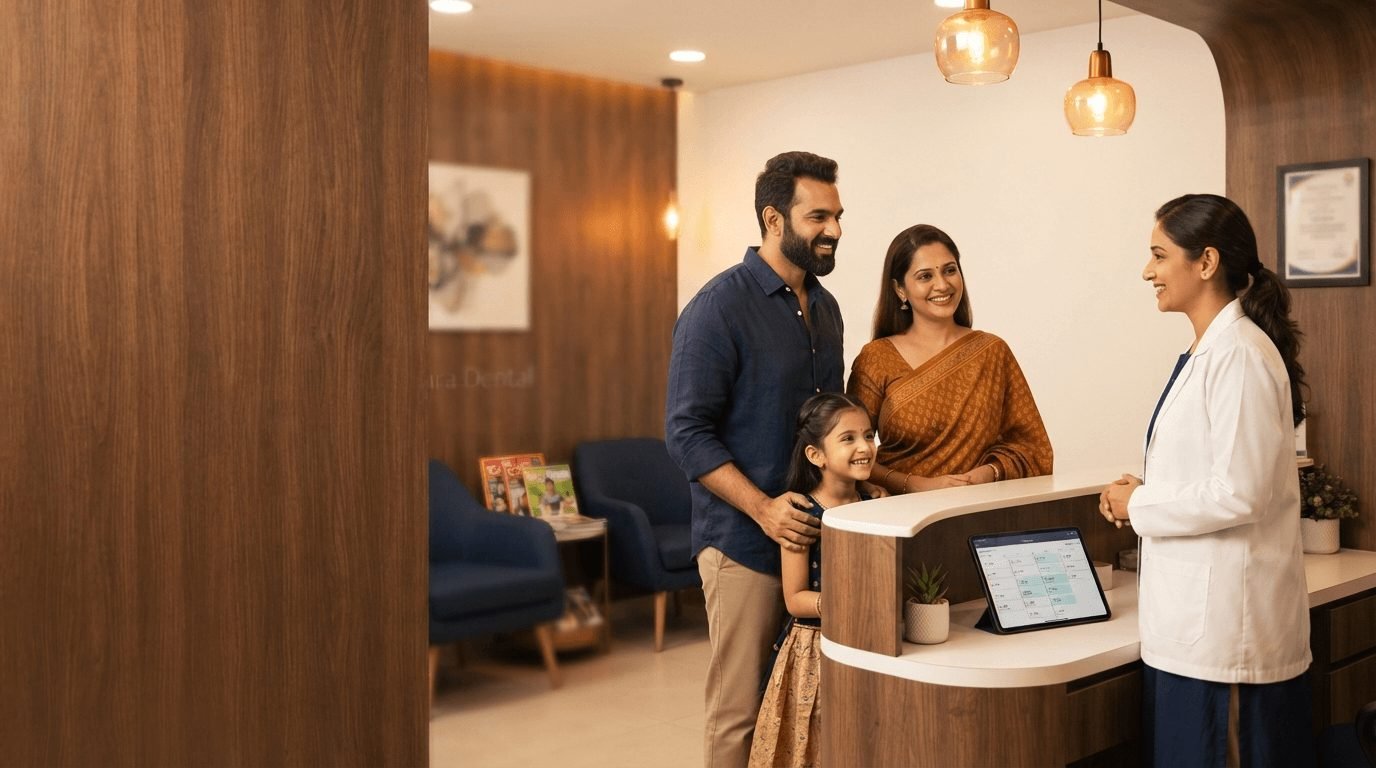
When someone enquires online, they rarely contact just you. A parent looking for a coaching centre, a couple planning a kitchen, a patient looking for a physiotherapist: they'll message three or four businesses in a few minutes. The first one to reply properly usually gets the conversation, and often the customer.
That's why we aim for a reply to every new enquiry in under 5 minutes. Not because it's a nice number, but because after that, the customer is already talking to someone else.
Why replies are slow
- The enquiry lands somewhere nobody checks. A form email goes to an old inbox, or an Instagram DM sits unseen.
- The person who should reply is busy. The doctor is with a patient, the shop is full, the counsellor is on a call.
- Nobody owns follow-up. The first reply happens, but nobody follows up if the customer goes quiet.
The fix: reply instantly, then follow up for the person
- Send every enquiry to one place. Website forms, ad leads and DMs should all reach a single WhatsApp number or inbox that someone actually watches.
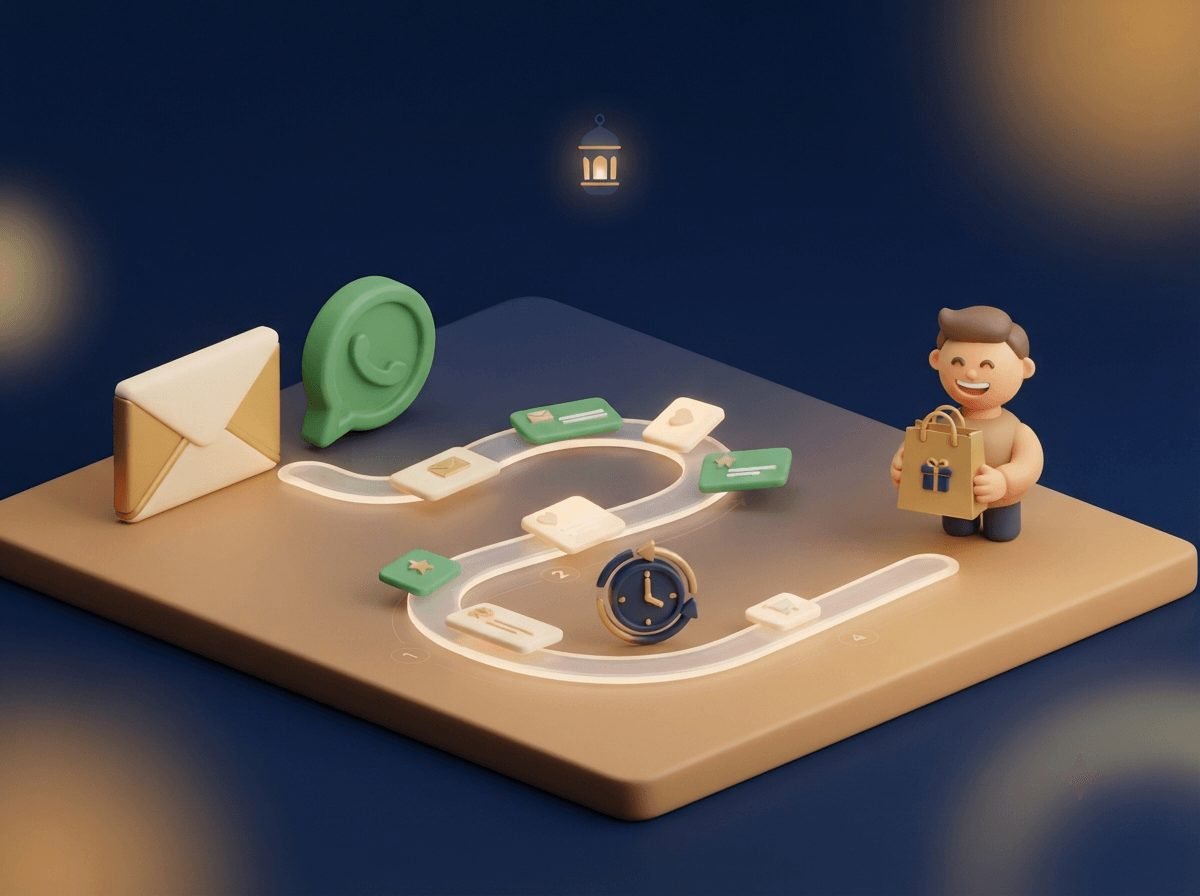
- Reply automatically within seconds. An instant WhatsApp message thanks them, confirms what they asked about, and tells them when a person will call. It buys you time without losing them.
- Make the next step easy. Offer a booking link, available slots, a price list or a catalogue, whatever helps them decide.
- Follow up on a schedule. Most people don't buy on the first message. A short sequence over the next week or two, such as a reminder, an answer to common questions or a customer story, brings many of them back.
- Track what happens. Note which enquiries became customers. It tells you which ads and channels are really working.
A note on doing it properly
Only send follow-up and promotional messages to people who have contacted you or agreed to hear from you, and always let them opt out. WhatsApp's own business rules require it, and it keeps your messages welcome rather than annoying.